
Tree Fertilization and Soil Injections in Brenham, TX
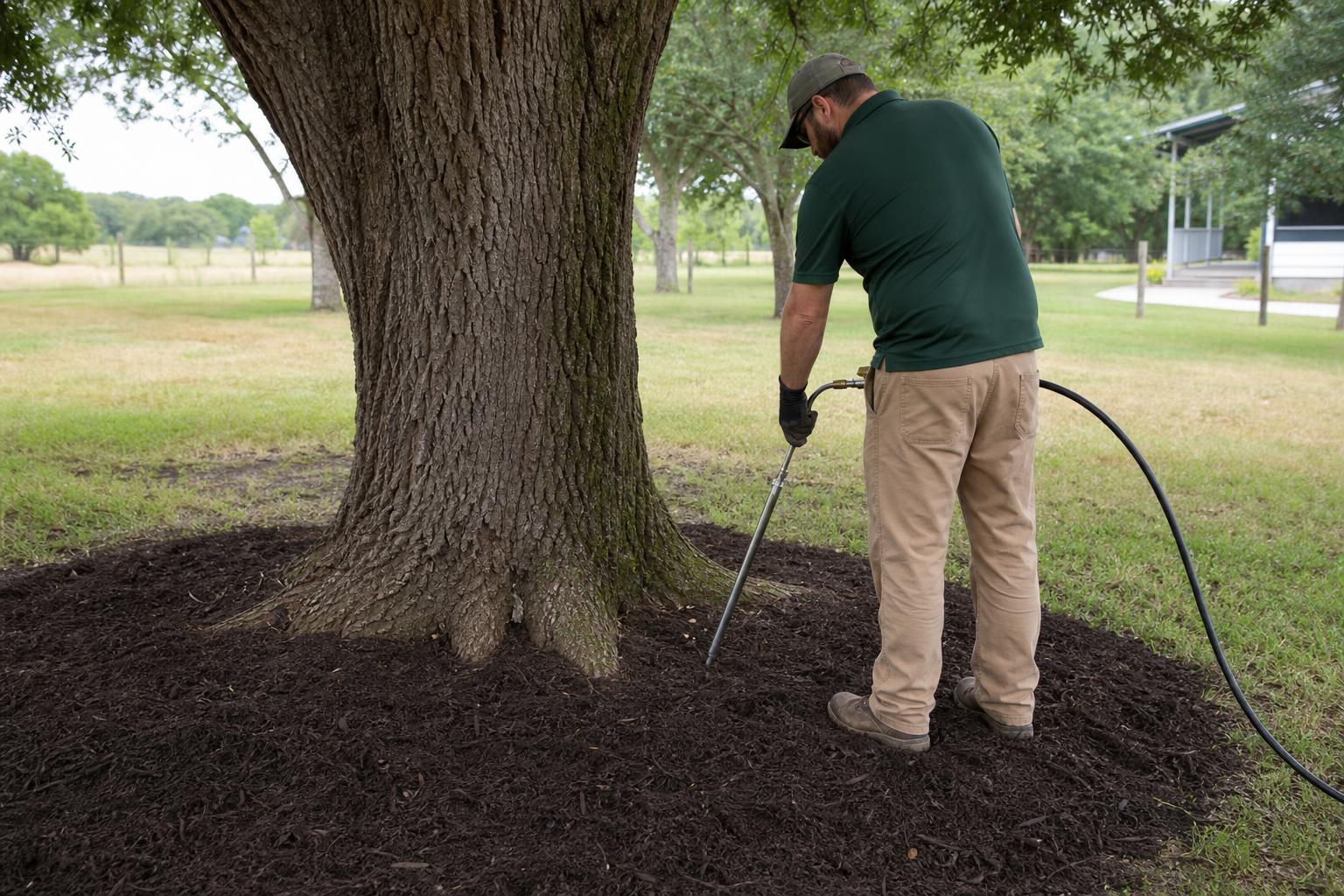
Injections put biology and nutrients where roots can use them, increasing the surface absorption area of the root system 100 to 1,000 times.
- ISA Certified Arborist
- Licensed & Insured
- 4.8★ on Google
Overview
Most Tree Problems Start Underground
A tree in a lawn is living in soil that was graded, compacted and then stripped of the leaf litter it evolved to feed on. Roots run out of oxygen, biology and organic matter, and the canopy shows it years later as thin growth and small leaves.
Soil injection puts water, nutrients and mycorrhizal fungi directly into the root zone under pressure, opening the soil as it goes. Mycorrhizal colonization dramatically expands the absorbing surface a root system can reach.
Compost topdressing and mulch rings do the slower work, rebuilding organic matter and holding moisture through a Texas summer.
- Deep root injection through the critical root zone
- Mycorrhizal and biological soil amendments
- Compost applications for compacted, tired soil
- Treatment plans matched to the tree, not a spray schedule
- Soil testing so we apply only what the tree is short of
- Mulch rings that hold moisture through a Texas summer
What's Included
What a Soil Program Includes
We start with what the site and the tree tell us, then apply only what the tree is short of.
Deep Root Injection
Liquid nutrients and biology injected on a grid through the critical root zone.
Mycorrhizal Inoculation
Beneficial fungi introduced to extend the effective reach of fine roots.
Compost Topdressing
Quality compost worked over the root zone to rebuild organic matter and soil life.
Targeted Fertilization
Slow release nutrition matched to species and season instead of blanket lawn feed.
Compaction Relief
Injection pressure and aeration open tight clay so air and water can move again.
Follow Up
We track canopy response between visits and adjust the next application.
How It Works
How Treatment Works
- Step 1
Look at the Tree
Canopy density, twig growth, leaf size and color tell us how the roots are doing.
- Step 2
Read the Site
Compaction, grade, drainage, turf competition and mulch depth all get noted.
- Step 3
Apply
Injection on a grid through the root zone, plus compost or mulch where the site needs it.
- Step 4
Recheck
We come back and compare growth before deciding what the next season calls for.
Signs To Watch For
Signs Your Soil Is the Problem
Trees decline from the top down when the roots are struggling. These are what we look for.
- Thin canopy that lets far more light through than it used to
- Leaves smaller and paler than on the same species nearby
- Very little new twig growth at the branch tips
- Dieback starting at the outer tips of the canopy
- Soil so hard a probe will not go in without effort
- Turf grown right up to the trunk with no mulch ring
- Standing water or a grade change over the root zone
- Recent construction, trenching or heavy equipment traffic
Why It Happens
Why Soil Goes Flat
The soil around a landscape tree rarely resembles what the species evolved in.
Compaction
Construction and mowing traffic squeeze pore space out of clay, leaving roots short of oxygen.
No Organic Matter
Leaves get bagged every fall, so nothing returns to the soil the tree pulled out of it.
Turf Competition
Grass out-competes fine tree roots for water and nitrogen in the top few inches.
Grade and Drainage Changes
Fill over roots, or water redirected into the root zone, both suffocate roots.
Cost
What Soil Treatment Costs
Cost scales with the size of the root zone being treated and what the soil needs, so we price after looking at the trees.
- Size and number of trees being treated
- Square footage of root zone covered by the injection grid
- Which amendments and biology the site calls for
- Compost volume and mulch ring installation
- Access for the rig and hose runs
- Whether treatment is one time or a seasonal program
All Services
Everything We Do for Trees
One crew for pruning, removals, soil health, planting and structural support across Brenham, TX.
Tree Care & Maintenance
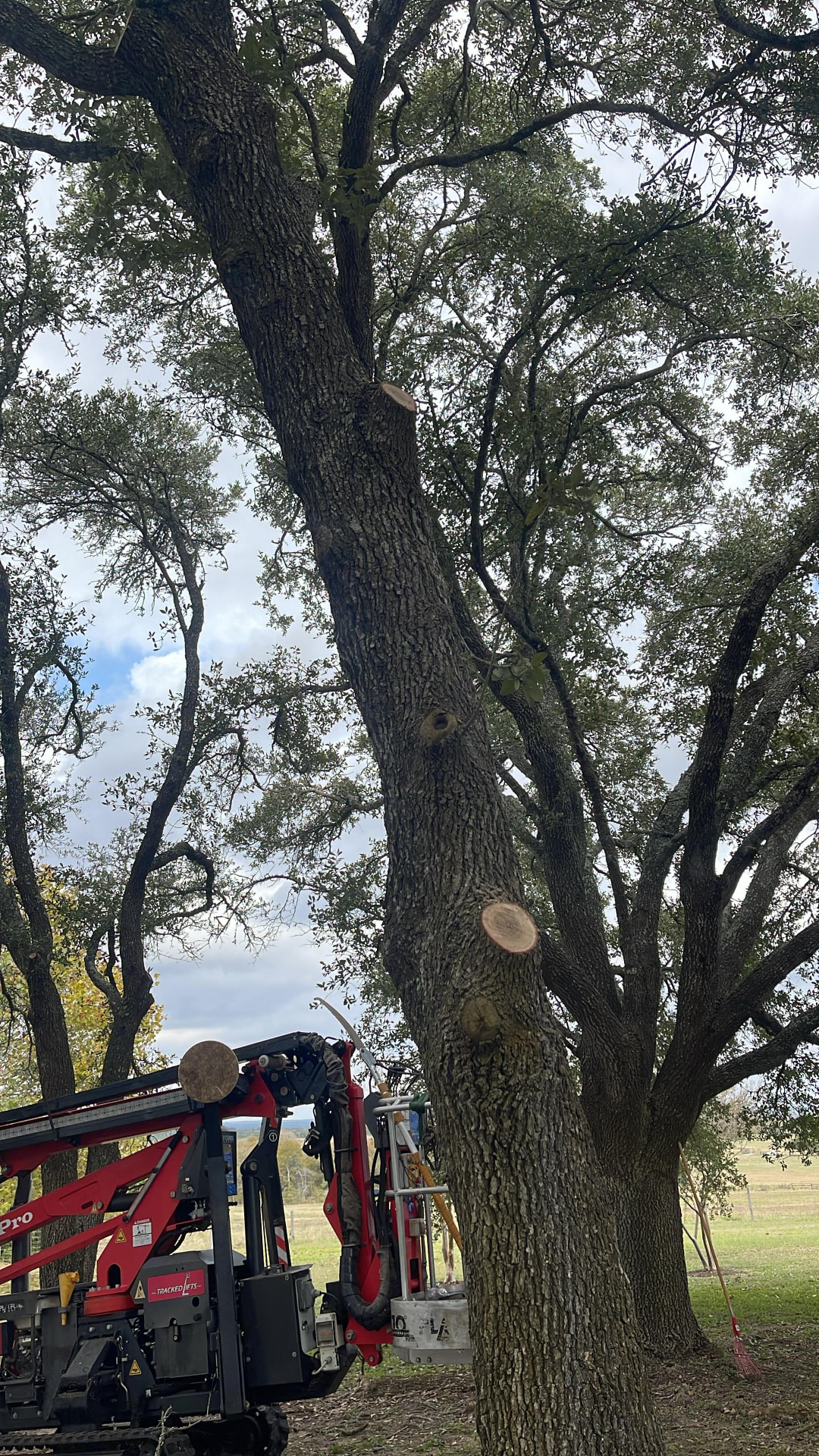
Tree Pruning
Performed in compliance with International Society of Arboriculture standards.
Learn more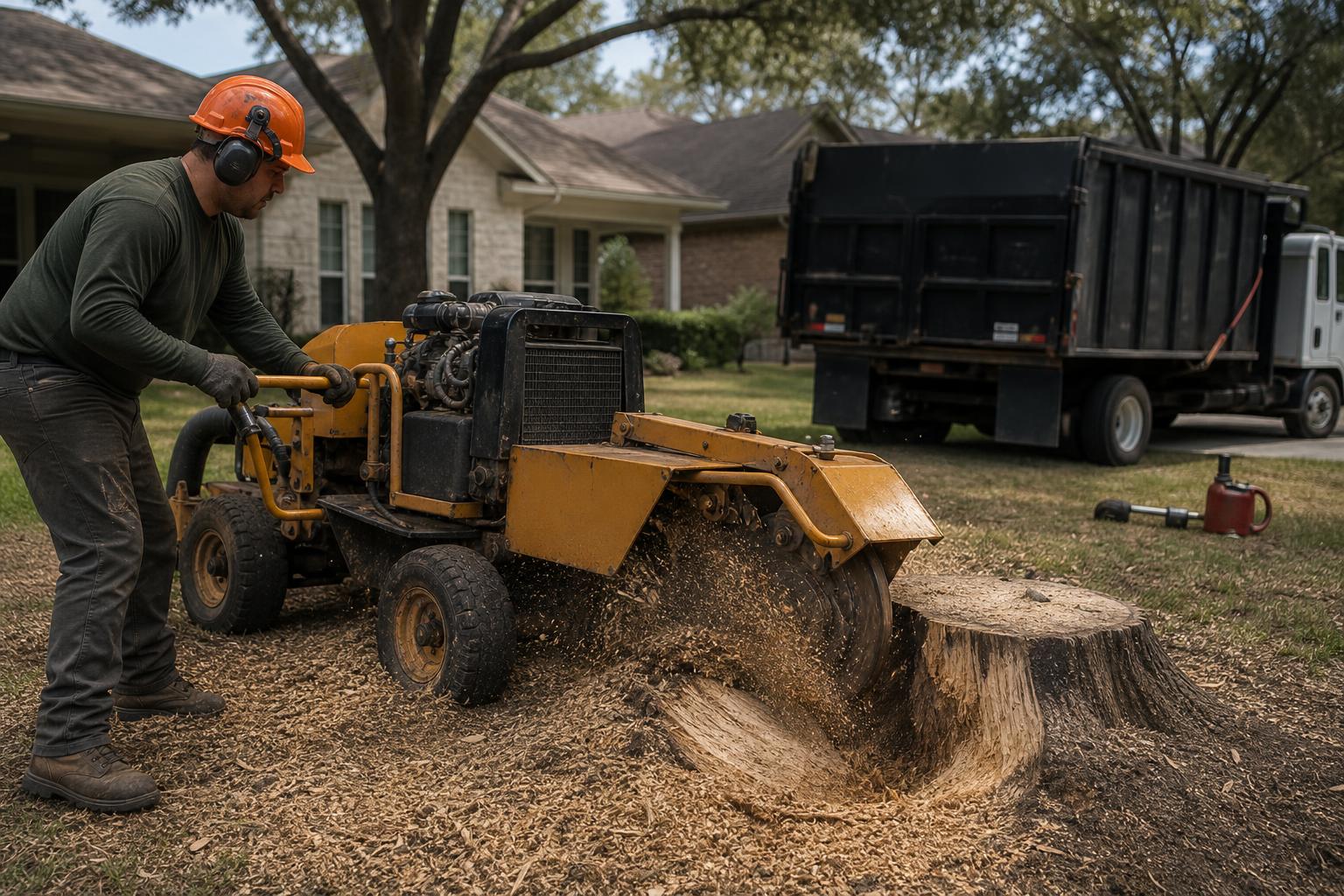
Removal
Tree Removal
Low impact removals executed with precision quality and accuracy.
Learn more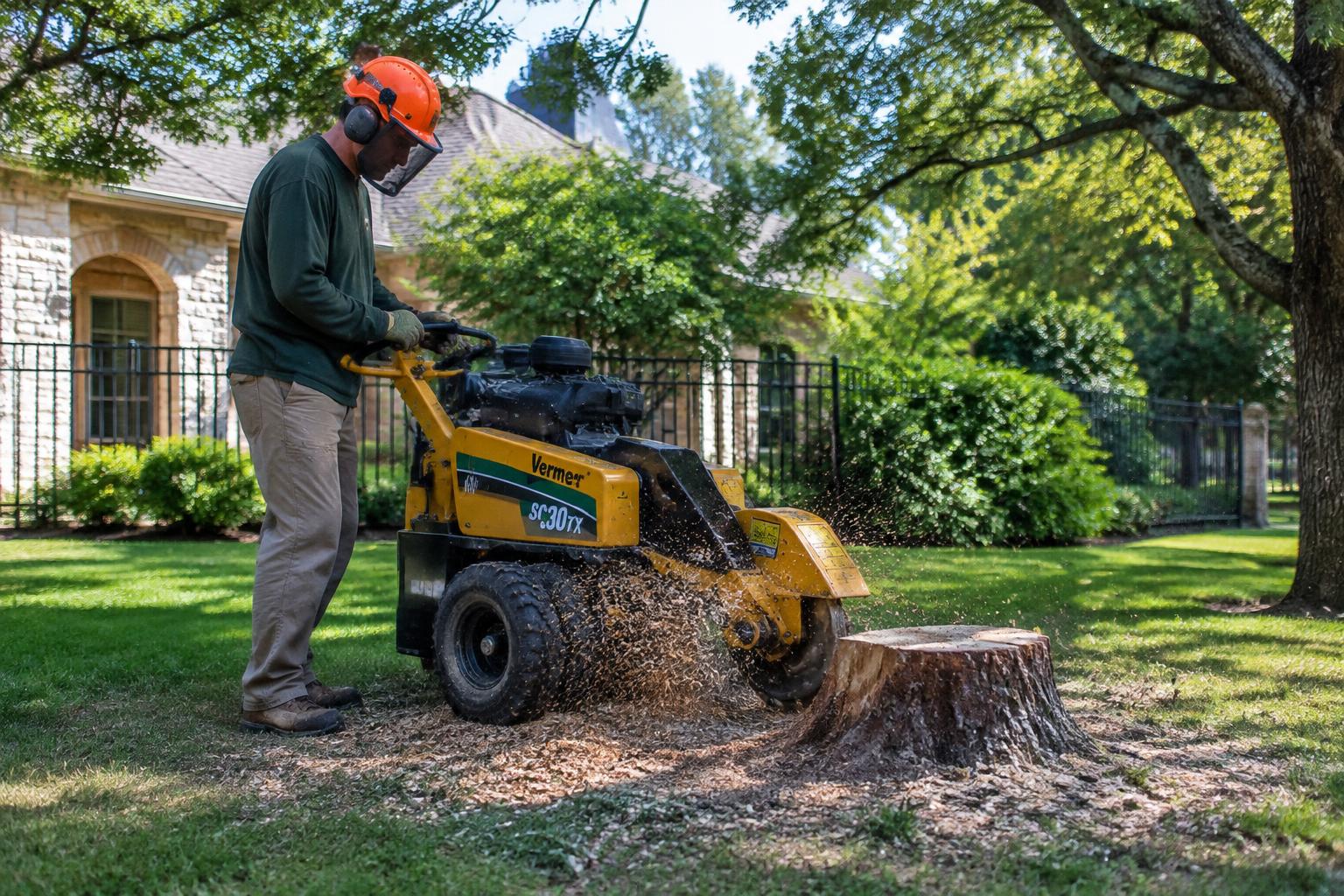
Removal
Stump Grinding
Stumps ground below grade so the spot can be sodded, replanted or mowed flat.
Learn more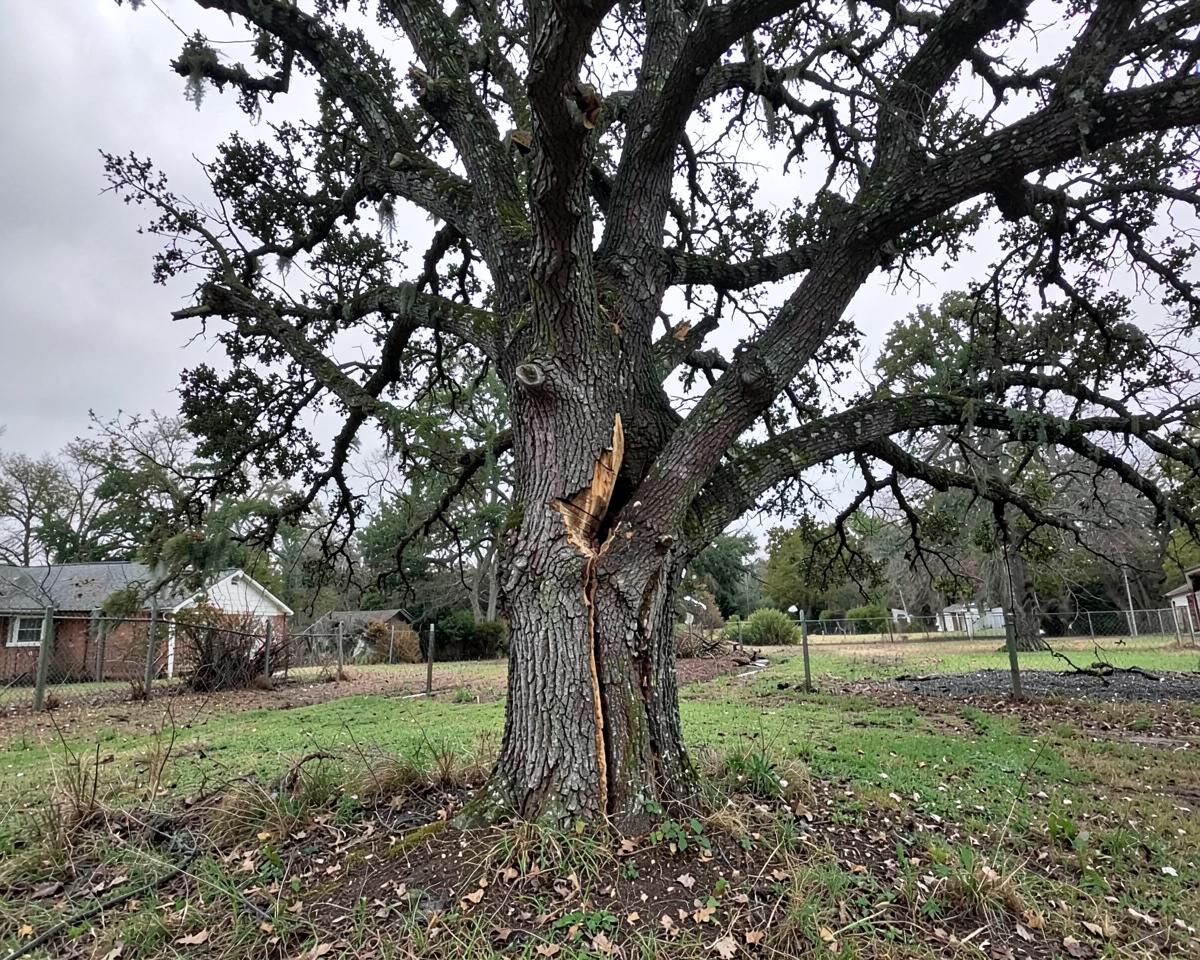
Removal
Emergency Tree Service
Storm damaged and fallen trees cleared fast, with priority for trees on homes or blocking access.
Learn more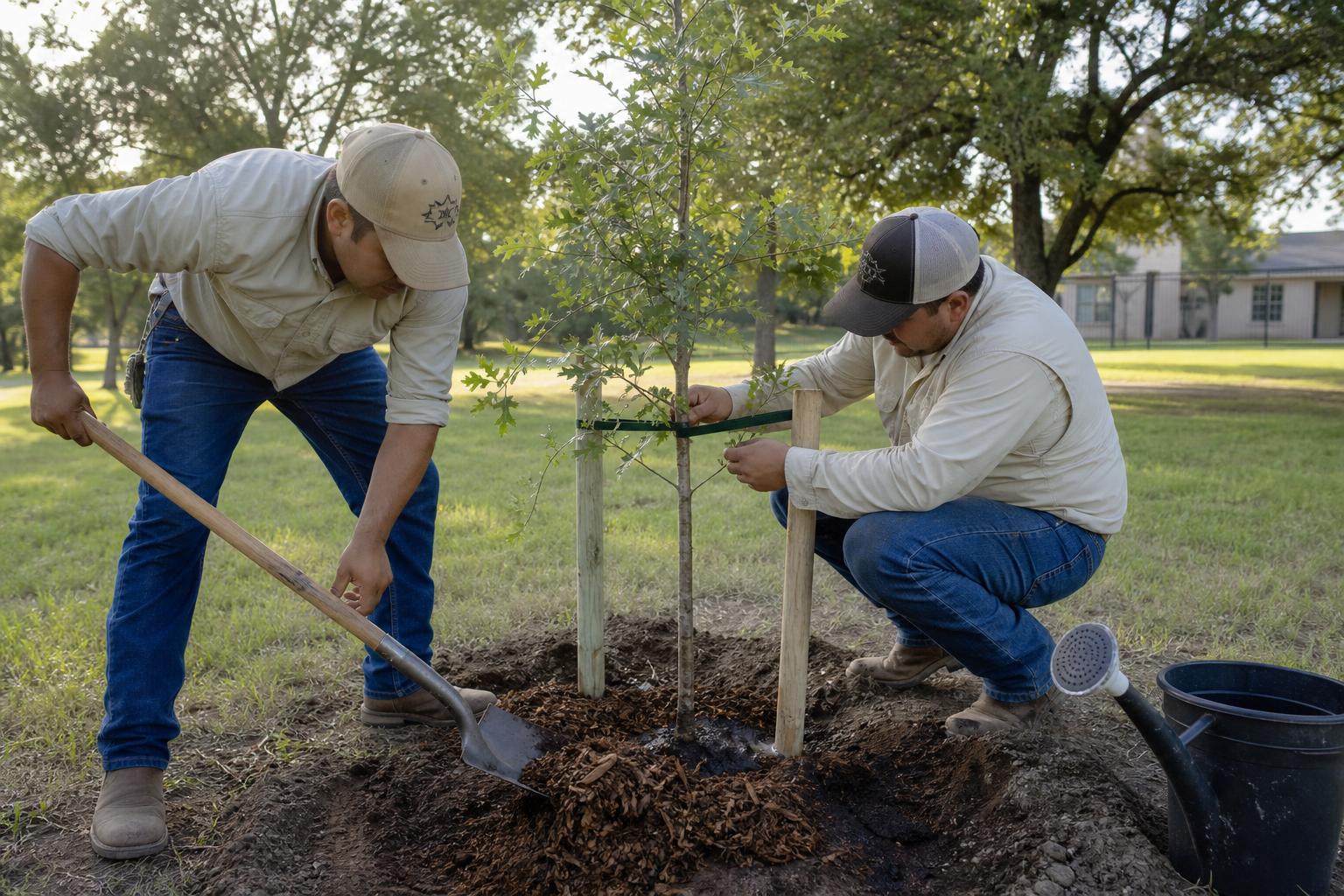
Health & Growth
Tree Planting
15, 30, 45, 65 and 100 gallon trees, with staking, mulching and initial watering.
Learn more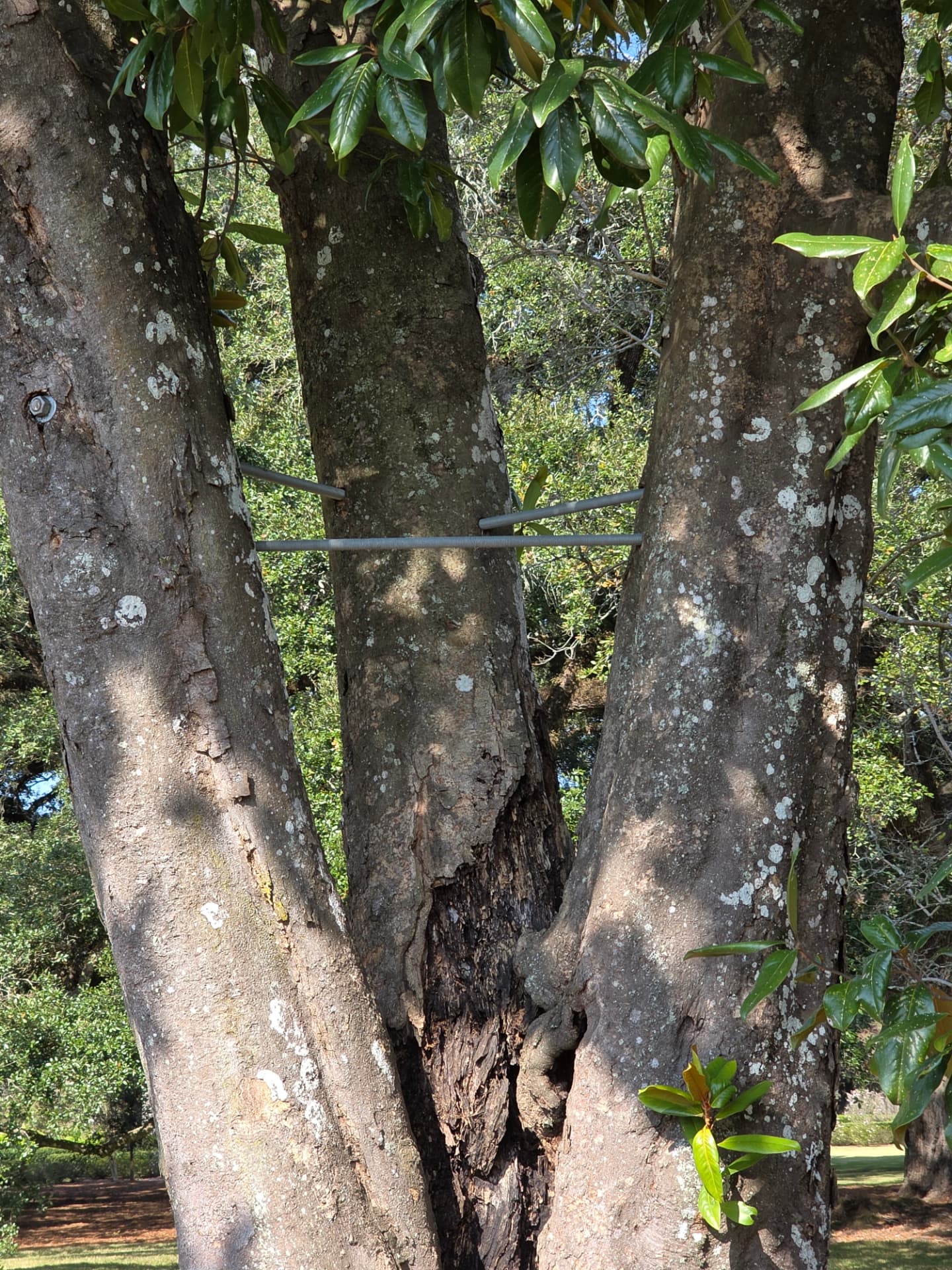
Structural Support & Protection
Tree Cabling
Cabling and bracing add structural support for prevention, restoration and mitigation.
Learn more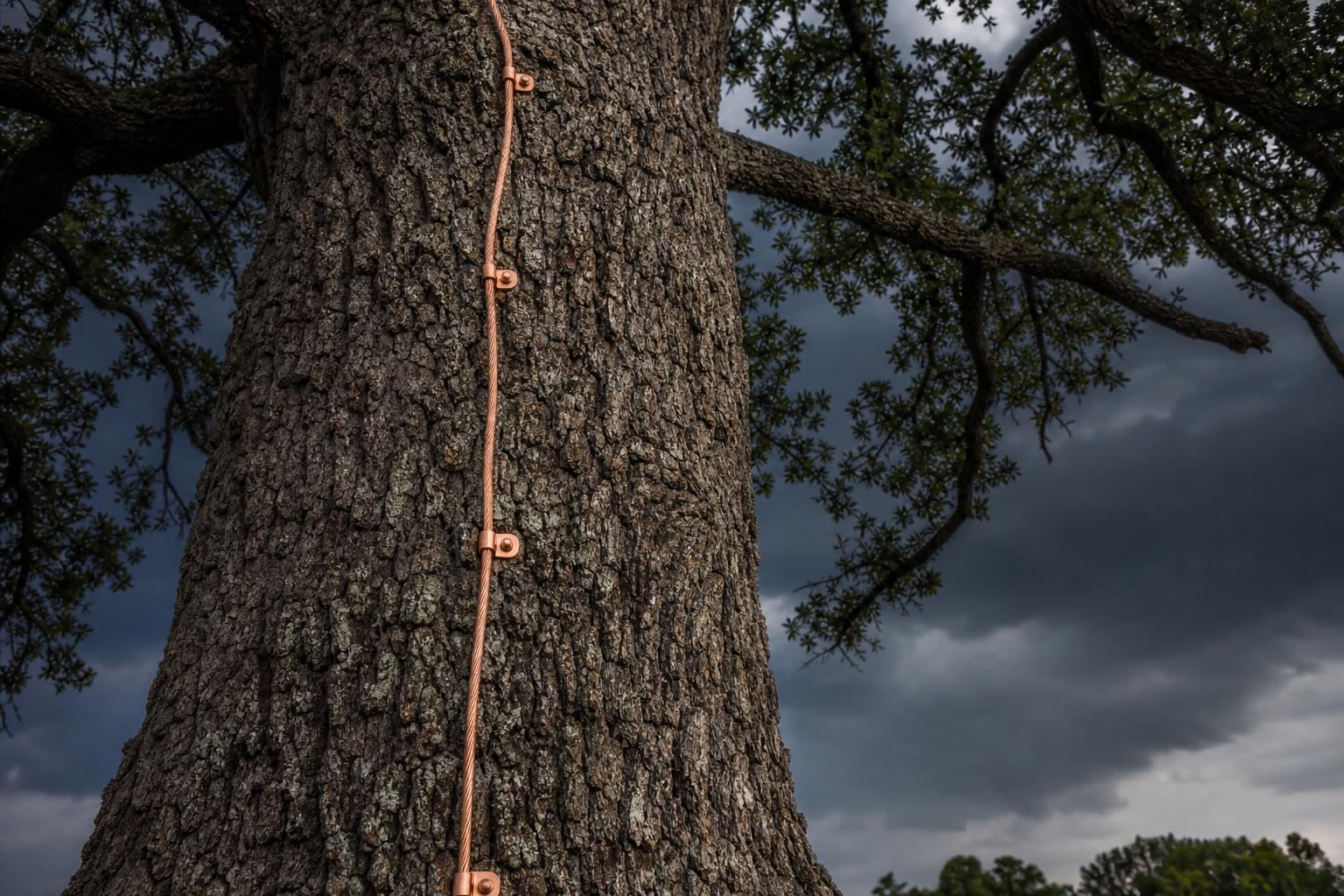
Structural Support & Protection
Lightning Protection
Systems that control a strike so it does not damage your home, business or trees.
Learn moreAreas We Serve
Serving Brenham, TX and the Surrounding Area
Our shop is in Brenham and our crews work 17 towns across the Post Oak Savannah, the Brazos Valley and the prairie down toward Sealy.
- Brenham
- Round Top
- Navasota
- Hempstead
- Fulshear
- Prairie View
- Sealy
- Brookshire
- Giddings
- Caldwell
- La Grange
- Bellville
- Smithville
- Columbus
- Magnolia
- Waller
- Somerville
- Wallis
Tree Fertilization Estimates
Feed the Soil Before the Canopy Thins Out
Thin leaves, small growth and pale color usually start underground. We check the soil around the root zone and build an injection, compost and fertilization plan for your trees.
- Root-zone soil assessment on site
- Deep injections, compost and slow-release feeding
- Follow-up timing planned for the season
FAQ
Tree Fertilization Questions
Lawn fertilizer feeds turf in the top couple of inches and pushes growth the tree cannot use. Injection places nutrition and biology through the tree's root zone at root depth.